

Mushroom Powder: Benefits, Uses, And Best Picks 2026

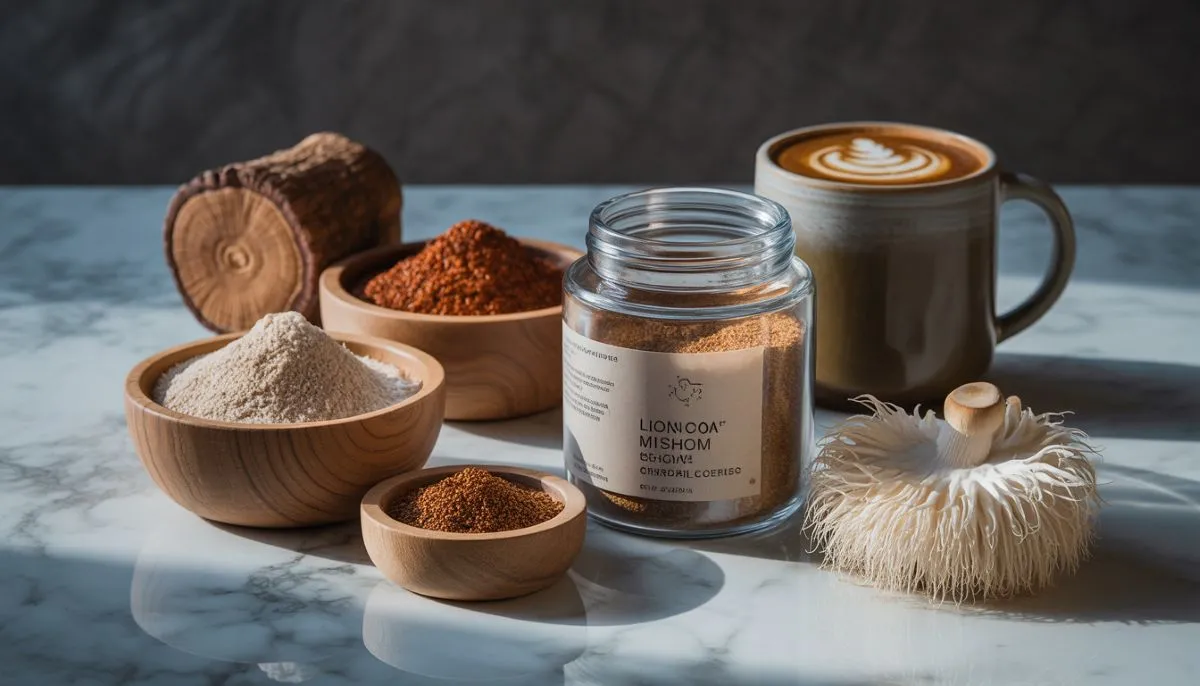
Mushroom powder is a concentrated, easy-to-use superfood made from functional mushrooms.
If you want better focus, calm energy, and immune support without caffeine jitters, mushroom powder makes it simple. I have worked with mushroom powder in my own kitchen and in client plans for years. In this guide, I break down the science, the types, and the best ways to use mushroom powder so you can get real results, not hype.
What is mushroom powder?
Mushroom powder is made by drying and grinding whole mushrooms or extracts into a fine powder. It blends into coffee, tea, smoothies, soups, or baking mixes. You can buy single-species powders or blends for focus, energy, or sleep.
Not all mushroom powder is the same. Some are fruiting body only. Some are mycelium grown on grain. Some are hot water or dual extracts for better absorption. The source and method matter because they change the active compounds you get.
Mushroom powder is popular because it is simple to use. It is also budget friendly when compared to capsules. You can start with half a teaspoon and adjust to taste and effect.
Key types and what they do
Not all fungi have the same profile. Each mushroom powder offers a unique set of benefits. Here are the most common types and how they feel in daily life.
Lion’s mane
Lion’s mane powder is known for calm focus and memory support. It contains hericenones and erinacines that support nerve growth factors. I use it in my morning coffee when I need clear thinking.
Reishi
Reishi powder supports sleep, stress balance, and immune tone. It has triterpenes and beta-glucans that help the body adapt. I take it at night because it helps me wind down.
Cordyceps
Cordyceps powder supports stamina and oxygen use. Many people use it before workouts or long days. Avoid it late at night, as it can feel too energizing for some.
Chaga
Chaga powder is rich in melanin and polyphenols. It supports antioxidant defenses and gut comfort. It tastes earthy and blends well with cocoa.
Turkey tail
Turkey tail powder supports gut and immune health. It is high in beta-glucans like PSK and PSP. It works well in broths or savory drinks.
Shiitake and maitake
Shiitake powder supports heart and immune health and adds great umami. Maitake powder helps with metabolic balance and is good in soups. I keep both in my spice rack.
Science-backed benefits and active compounds
Mushroom powder works because it delivers key compounds. Research has focused on beta-glucans, triterpenes, phenols, and sterols.
- Immune support. Beta-glucans modulate immune cells and help keep balance, not just boost. Clinical and preclinical studies show improved immune markers with consistent use.
- Brain and mood. Lion’s mane compounds support nerve growth factors and may aid memory in small trials. Many users report calmer focus after two to four weeks.
- Energy and endurance. Cordyceps supports ATP and oxygen use in muscle. Some human trials note small gains in performance and less fatigue.
- Gut health. Turkey tail and shiitake act as prebiotics. They feed good gut bugs and support the gut wall.
- Antioxidant support. Chaga and reishi offer strong phenolic content. They help fight oxidative stress from daily life.
- Metabolic health. Maitake and shiitake have shown support for healthy blood sugar and lipids in studies.
Quality and dose shape results. Hot water or dual extracts raise the level of bioactive compounds. Consistent use over weeks beats a one-time mega scoop.

How to choose a quality mushroom powder
The right mushroom powder saves you money and guesswork. Here is a simple checklist I use.
- Check the part used. Fruiting body powders tend to have higher beta-glucans. Mycelium on grain may have more starch and lower actives.
- Look for extraction. Hot water extracts pull beta-glucans. Dual extracts add alcohol extraction to pull triterpenes and sterols.
- Verify beta-glucan content. Good brands list beta-glucan percentages on the label or site.
- Ask for a COA. Third-party testing should confirm purity, identity, and heavy metal safety.
- Choose organic when you can. Mushrooms absorb what they grow in, so clean inputs matter.
- Avoid vague blends. If the label hides doses per mushroom, you cannot judge potency.
When clients switch to fruiting body, dual extracted mushroom powder with a clear COA, they often feel a steadier effect. It also removes guesswork on dose and safety.
How to use mushroom powder daily
Start small and build up over one to two weeks. Track how you feel and adjust.
- Daily dose. Begin with 500 mg to 1 g per day. Many settle at 1 to 2 g. For blends, follow the label.
- Timing. Lion’s mane and cordyceps fit mornings or pre-workout. Reishi and chaga work well in the evening.
- Easy recipes.
- Add 1 teaspoon mushroom powder to coffee with milk or oat milk.
- Stir 1 teaspoon into a smoothie with banana and cocoa.
- Whisk 1 teaspoon into bone broth or miso soup.
- Mix 1 teaspoon into oatmeal with cinnamon and honey.
- Taste tips. Use cocoa, cinnamon, or vanilla to smooth the earthy note. A milk frother helps it mix well.
- Stacking. Pair lion’s mane with B vitamins for focus. Pair reishi with magnesium for sleep. Keep the stacks simple.
I learned to avoid cordyceps after 3 pm. It kept me too alert. Small tweaks like that can change your day.
Safety, side effects, and who should avoid it
Mushroom powder is well tolerated for most people. Mild gas or stomach upset can happen at first. Ease in and take with food to help.
- Allergies. If you have known mushroom allergies, do not use mushroom powder.
- Meds. Talk with your doctor if you use blood thinners, immune drugs, or diabetes meds.
- Pregnancy and nursing. Safety data is limited. Check with a healthcare pro before use.
- Autoimmune issues. Immune-active products need care. Get personal medical advice.
Look for third-party tested products to avoid heavy metals and contaminants. Read labels and avoid fillers or added sugars.
Storage, shelf life, and sustainability
Keep mushroom powder in a cool, dark spot with the lid tight. Moisture and heat break down active compounds. Use a dry spoon and avoid steam from kettles.
Most products keep well for 12 to 24 months if sealed. Check the best-by date and smell for freshness. Fresh powder has a clean, earthy scent.
Sustainability matters with fungi. Choose brands that use traceable farms and clean substrates. Wild harvest should be respectful and limited to protect ecosystems.
Common mistakes and tips from experience
I have tested many mushroom powder products over the years. Here are simple wins and traps to avoid.
- Do not chase hype. Match the mushroom to your goal. Lion’s mane for focus. Reishi for calm. Cordyceps for energy.
- Avoid underdosing. Most people need at least 1 g daily for four to eight weeks to feel a change.
- Watch for grainy texture. That can signal mycelium on grain and lower beta-glucans.
- Do not skip breakfast. Mushroom powder can feel strong on an empty stomach for some people.
- Track your response. Use a small note on sleep, focus, mood, and workout feel. Adjust dose and timing.
- Rotate as needed. Use lion’s mane on work days and reishi on rest days. Keep it simple and steady.
These steps help you get the most from mushroom powder without wasting time or money.
Frequently Asked Questions
What is mushroom powder made from?
It is made from dried mushrooms that are ground or extracted into a powder. Some products use the fruiting body, others use mycelium.
How much mushroom powder should I take each day?
Most people start with 500 mg to 1 g daily and adjust. Many feel best at 1 to 2 g per day.
Can I mix mushroom powder with coffee or tea?
Yes. It blends well with hot drinks, smoothies, and soups. A milk frother helps it dissolve.
How long does it take to notice benefits?
Some effects, like calm focus, can show in days. Full benefits often build over two to four weeks.
Is mushroom powder safe if I have allergies?
If you have mushroom allergies, avoid it. When in doubt, speak with your doctor first.
Conclusion
Mushroom powder offers a simple path to focus, calm, energy, and immune support. Pick the right type, choose a tested product, and use a steady daily dose. Small, smart steps beat big swings.
Try one change this week. Add lion’s mane to your morning or reishi to your night routine. If this guide helped, share it with a friend, subscribe for more tips, or leave a comment with your questions.
