

Mushroom Powder: Best Guide And Top Picks For 2026

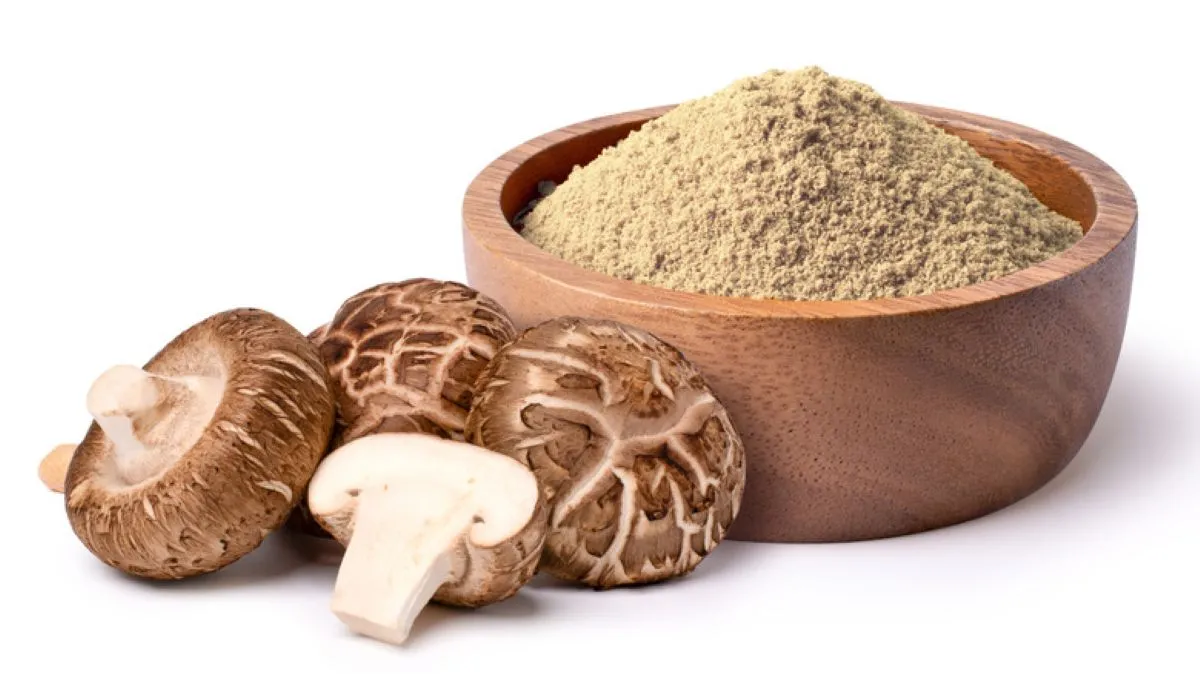
Mushroom powder is dried, ground mushrooms used to boost flavor and wellness.
I have used mushroom powder in my kitchen and in client plans for years. In this guide, I will show you what mushroom powder is, how it works, which types to choose, and how to use it every day. You will get clear, science-backed tips, plus real-life advice you can trust.
What Is Mushroom Powder?
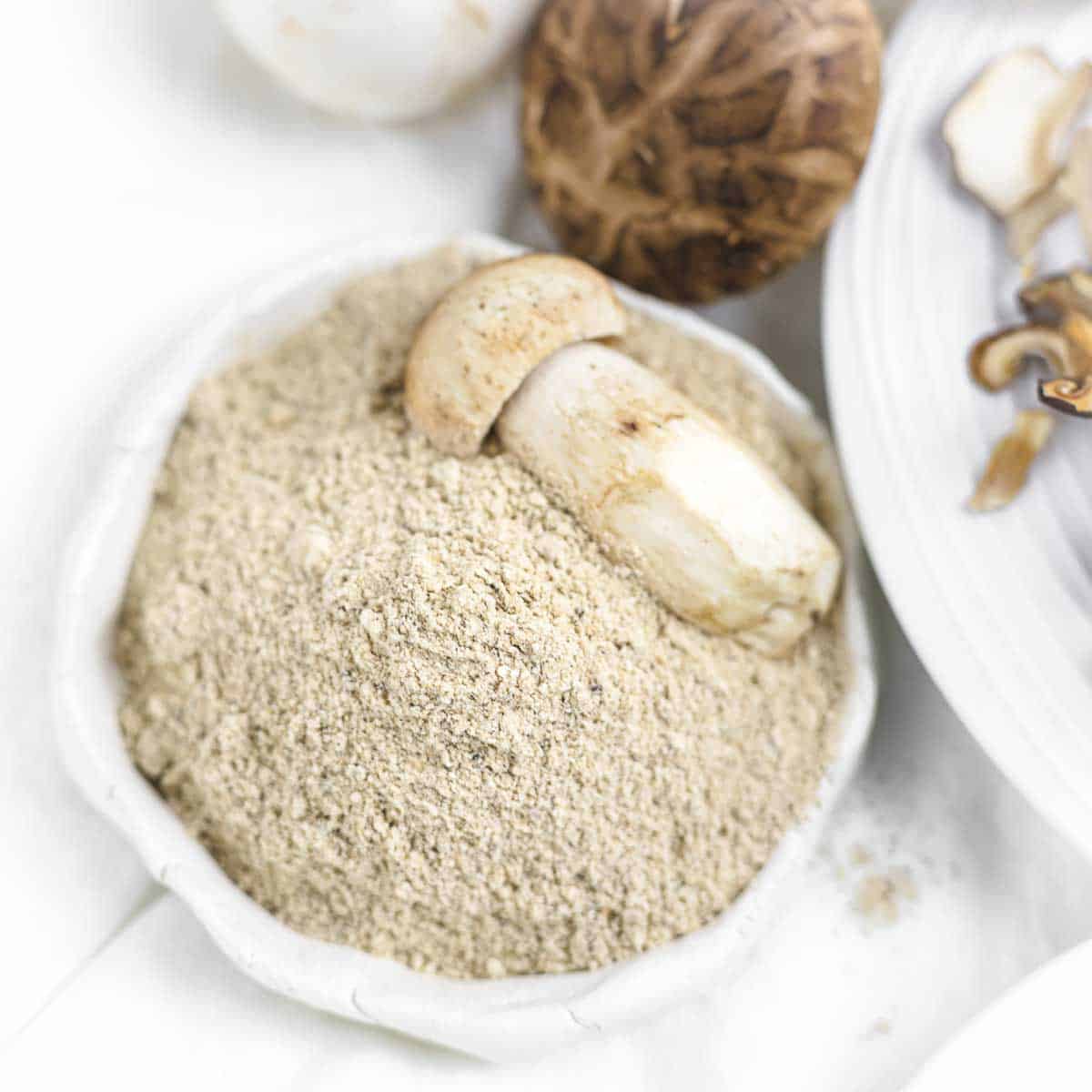
Mushroom powder is made from dried mushrooms that are ground to a fine dust. You can use it as food or as a supplement. Some blends are made for taste. Others target focus, stress, or immune support.
Good mushroom powder often comes from the fruiting body of the mushroom. That is the cap and stem. It holds many key compounds. These include beta glucans, triterpenes, and ergothioneine. Many powders are extracted with hot water or alcohol to make them more bioavailable. The result is a simple spoonful that can change a cup of coffee or a bowl of soup.
I started with shiitake and porcini powder to add umami to stews. Then I tried lion’s mane for focus on long writing days. Over time, I saw steady benefits. Better energy. Better sleep quality. A calmer mind after hard weeks. I will show you how to pick and use mushroom powder for your own goals

Science-Backed Benefits of Mushroom Powder
Immune support and inflammation
Mushroom powder is rich in beta glucans. These fibers help balance immune activity. Human studies report better immune markers and fewer sick days in some groups. Some extracts may also reduce markers of chronic inflammation.
Brain health and focus
Lion’s mane mushroom powder stands out here. It may support nerve growth factors. Many people report clear focus and less brain fog. Early human data backs these reports, but more large trials are needed.
Energy and endurance
Cordyceps mushroom powder is popular with runners. It may support oxygen use and ATP production. Some studies show small gains in endurance and less fatigue. Effects vary by person and dose.
Gut and metabolic health
Beta glucans in mushroom powder act like prebiotics. They may feed good gut bugs. Some data suggests better blood sugar control and lipid profiles. A steady daily dose works better than a quick burst.
Skin and healthy aging
Compounds like ergothioneine act as antioxidants. They help reduce oxidative stress from UV and daily life. Over time, that may support skin health and healthy aging from within.

Types of Mushroom Powder and What Each Does
- Lion’s mane: Focus, learning, and memory support. Great in morning coffee or tea.
- Reishi: Calm, stress balance, and sleep support. Best in evening blends.
- Cordyceps: Energy, stamina, and training days. Add to pre-workout or smoothies.
- Chaga: Antioxidant support and skin health. Earthy taste in hot drinks.
- Turkey tail: Gut and immune support. Often used in broths and soups.
- Shiitake: Culinary umami, heart and immune support. Use as a seasoning.
- Maitake: Metabolic support and immune balance. Works well in sauces.
- Porcini: Deep savory flavor for sauces, stews, and rubs.
You can mix mushroom powder types to match your day. For example, lion’s mane in the morning and reishi at night. Start simple and listen to your body.
How To Use Mushroom Powder Daily
Dosage and timing
Most people do well with 1 to 2 teaspoons per day. If the product is an extract, follow the label. Start low for a week. Then adjust based on how you feel.
Here are easy ways to use mushroom powder:
- Coffee or tea: Stir in lion’s mane or chaga for a smooth start.
- Smoothies: Blend cordyceps or turkey tail for a midday lift.
- Broth and soups: Add shiitake or reishi for deep flavor.
- Seasonings: Mix porcini powder with salt and garlic for a quick rub.
- Baking: Add a teaspoon to banana bread for a subtle, earthy twist.
From my own tests, mixing mushroom powder with some fat helps taste and feel. A little coconut milk or butter softens any bitterness. I also batch-mix my morning jar for the week. It saves time and keeps the habit strong.
Quality And Buying Guide
What to look for
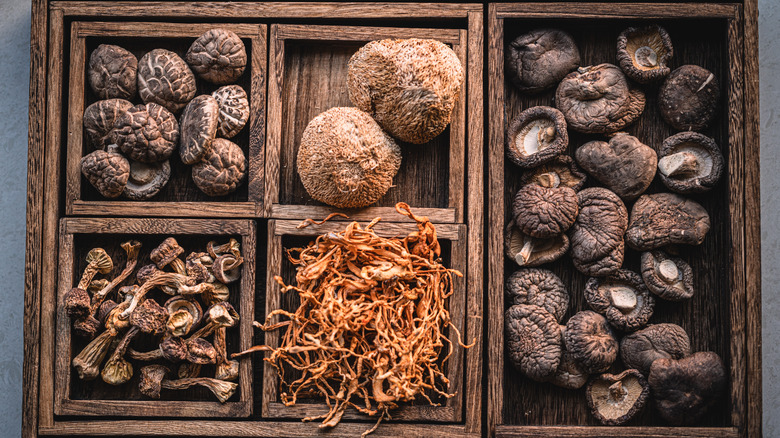
- Fruiting body content: Prefer fruiting body over mycelium on grain for higher beta glucans.
- Extraction method: Hot water for beta glucans. Dual extract for triterpenes and more.
- Third-party tests: Look for beta glucan percentages and heavy metal screens.
- No fillers: Avoid added starch, maltodextrin, or flow agents when possible.
- Organic and origin: Organic farms and clear origin add trust and traceability.
- Clear labels: Dose per serving, extract ratio, and compound data should be listed.
In my practice, the best mushroom powder brands share lab results. They report beta glucans, not just polysaccharides. That matters. Polysaccharides can include useless starch. Beta glucans are the key actives you want.
Safety, Side Effects, And Who Should Avoid
Mushroom powder is safe for most people. Mild side effects can include stomach upset or loose stools. Start with a small dose and take with food.
Avoid or ask your doctor first if you are pregnant, nursing, or on immune drugs. People with mushroom allergies should not use mushroom powder. Stop use two weeks before surgery. This is due to possible effects on blood sugar and clotting.
If you take blood thinners, diabetes meds, or have an autoimmune condition, talk to a clinician. Check one product at a time so you can track your response.
DIY: Make Mushroom Powder At Home
You can make mushroom powder with a dehydrator or an oven on low.
- Clean: Brush off dirt with a dry brush or damp cloth. Avoid soaking.
- Slice: Cut thin, even slices so they dry at the same rate.
- Dry: Dehydrate at low heat until crisp. In an oven, use the lowest setting with the door slightly open.
- Grind: Use a clean spice grinder. Pulse to a fine powder.
- Store: Keep in an airtight jar with a silica pack.
Use only mushrooms you can identify from a safe source. Do not wild forage unless you are trained. When in doubt, buy from a trusted farm.
Storage And Shelf Life
Keep mushroom powder in a cool, dark place. Use airtight glass jars to protect aroma and potency. Add a food-safe desiccant to fight moisture.
Most mushroom powder stays fresh for 12 to 18 months if sealed well. Heat, light, and air speed up loss of flavor and actives. If you live in a humid area, store part of your stock in the freezer.
Simple Recipes With Mushroom Powder
Here are three easy, tasty ways to use mushroom powder today.
- Focus mocha
- Brew coffee. Whisk in 1 teaspoon lion’s mane mushroom powder, 1 teaspoon cocoa, and a splash of milk. Sweeten to taste.
- Savory umami salt
- Mix 2 tablespoons porcini mushroom powder, 2 tablespoons sea salt, and 1 teaspoon garlic powder. Sprinkle on eggs, steak, or roasted veg.
- Immune broth cup
- Stir 1 teaspoon turkey tail mushroom powder and 1 teaspoon miso into hot water or broth. Add sliced green onions and a dash of sesame oil.
Frequently Asked Questions of mushroom powder
What is mushroom powder used for?
Mushroom powder adds flavor and wellness support in one scoop. People use it for focus, calm, energy, and immune balance.
How much mushroom powder should I take daily?
Most adults do well with 1 to 2 teaspoons per day. Follow label guidance for extracts, and start low to test your response.
Can I take mushroom powder with coffee?
Yes. Coffee pairs well with lion’s mane or chaga. If you are sensitive to caffeine, try tea or a decaf base.
Is mushroom powder safe every day?
For most people, yes. If you take medicines or are pregnant, talk to a clinician first.
What is the best time to take mushroom powder?
Morning is great for lion’s mane or cordyceps. Evening works well for reishi to support calm and sleep.
How do I know if a mushroom powder is high quality?
Look for fruiting body extracts, beta glucan testing, and third-party labs. Avoid fillers and unclear labels.
Conclusion
Mushroom powder can be a small change with a big payoff. It brings flavor, focus, calm, and daily resilience in a simple scoop. Start with one goal, pick the right type, and build a steady habit.
Try one blend this week. Track how you feel for two weeks. If it helps, share your win, subscribe for more tips, or leave a question so I can help you refine your plan.
